
Moving to Eastern Connecticut: 10 Things to Know First
Eastern Connecticut offers more space, lower home prices, and beautiful New England views. But rural living comes with massive surprises. Read this before you sign those closing papers.
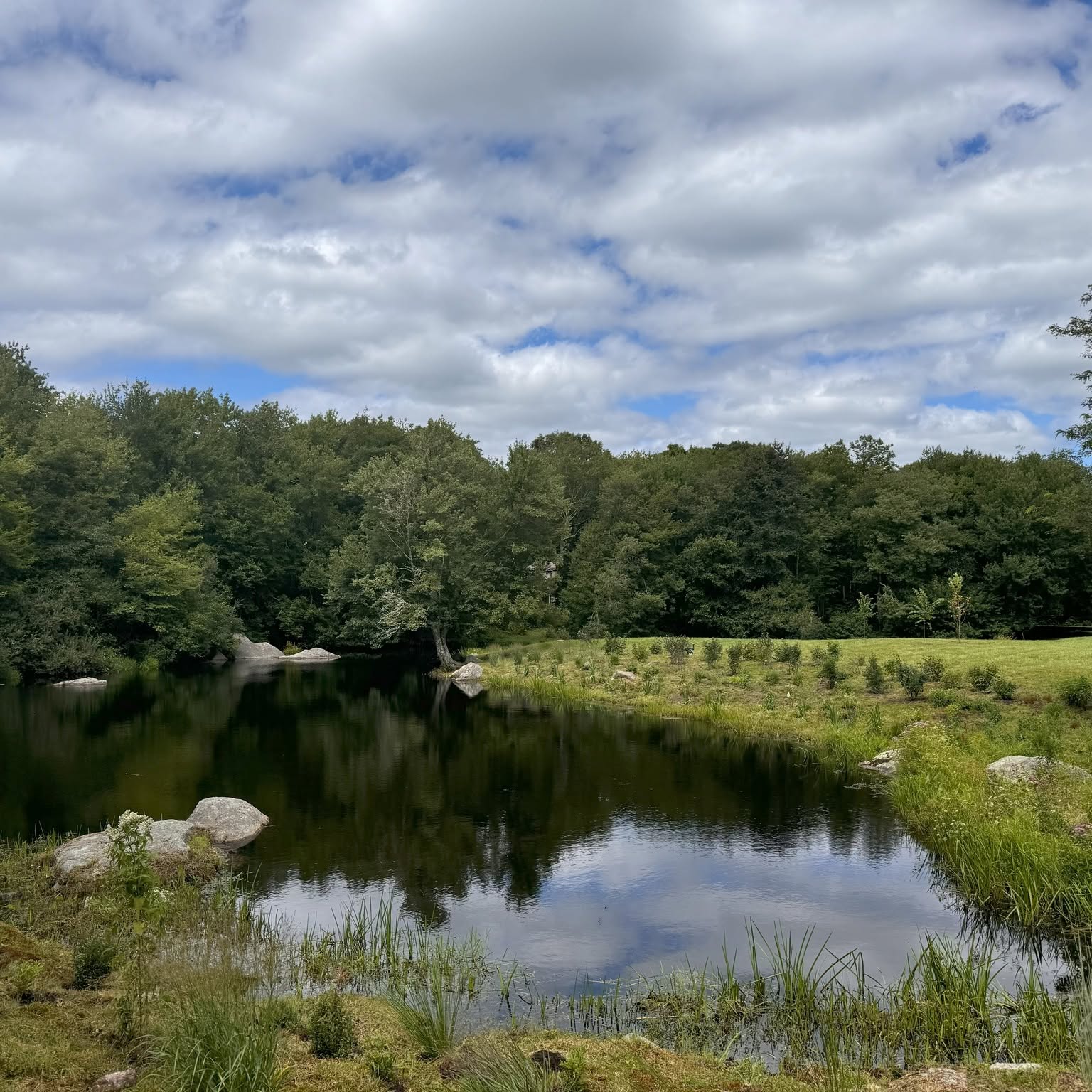 Before moving to Eastern Connecticut, it's vital to research regional property realities.
Are you seriously considering moving to Eastern Connecticut? If you are looking to escape the sky-high real estate prices of Massachusetts, New York, or Fairfield County, this beautiful and quiet region is easily one of the most affordable corners of New England. You can get significantly more square footage, acreage, and historic charm for your money here compared to almost anywhere else in the state.
However, rural and semi-rural New England living is a distinct experience that catches out-of-state buyers completely off guard. From public utilities (or lack thereof) to localized environmental structural challenges, there are certain things real estate listings simply won't tell you. Before moving to Eastern Connecticut, here are 10 brutally honest, local-vouched tips you must know.
🗺️ Planning a visit first? Check out our master Eastern Connecticut Travel Guide to map out your trip, and explore our favorite spots on the best hiking trails in Connecticut.
- 1. The Reality of No Public Utilities
- 2. State Police Patrols & Volunteer emergency Services
- 3. The Crumbling Foundations Crisis (Pyrrhotite)
- 4. Tolland County vs. Windham County
- 5. The Shoreline vs. The Inland Interior
- 6. The Blue-Collar Maritime and Tech Economy
- 7. Winter Road Maintenance and Snow Plowing
- 8. The New England "Friendly but Reserved" Culture
- 9. Dynamic College Town Energies
- 10. The Starry Night Skies are Completely Real
- Relocation Frequently Asked Questions (FAQ)
Essential Things to Know Before Moving to Eastern Connecticut
1. The Reality of No Public Utilities 💧
🏠 Property Impact: Private well water, private septic systems, and no municipal sewer lines
💸 Monthly Expenses: Trash pickup is private (~$30–$45/month), and septic systems require pumping every 3–5 years
💡 Pro Tip: Always buy an emergency generator. If the power goes out, your well pump stops running, meaning no running water!
"We moved from a city apartment and had never heard of a 'well water test' or 'septic inspection.' Always pay for a full flow and recovery test on the well before you close. If the well runs dry, digging a new one can cost $10,000+!" — Windham County Transplant, r/Connecticut
In many of the smaller, picturesque towns in Windham and Tolland counties, municipal infrastructure is virtually non-existent. When you buy a home here, you are likely off the public grid for utilities. This means you will be managing a private well for water and a septic tank for waste. Additionally, there is rarely public trash pickup—you’ll need to contract and pay a private local garbage company to haul away your waste weekly.
2. State Police Patrols & Volunteer Emergency Services 🚨
🚓 Law Enforcement: Handled by CT State Troopers (Troop C in Tolland, Troop D in Danielson, or Troop E in Montville)
🚒 Emergency Services: 100% Volunteer Fire & Rescue Departments in rural towns
⏱️ Response Times: Slightly longer than urban centers due to regional coverage areas
"In our small town, we don't have a local police department. If you call 911, a State Trooper is dispatched from a barracks a few towns over. They are incredible, but they are covering a massive geographical territory." — Woodstock Local, Facebook Community Group
Do not expect a local police cruiser to be parked down the street. Most small, rural towns in Eastern CT do not have their own municipal police departments. Instead, law enforcement and patrols are handled entirely by Connecticut State Troopers assigned to regional barracks. Similarly, ambulance and fire networks are heavily dependent on local volunteers, meaning emergency response times can be slightly longer than what you might be used to in suburban or urban neighborhoods.
3. The Crumbling Foundations Crisis (Pyrrhotite) ⚠️
⚠️ Peak Danger Years: Homes poured between 1983 and 2015
🏗️ Replacement Cost: $150,000 to $250,000+ (if concrete foundation crumbles)
🔬 Core Solution: Insist on a visual inspection and core testing before signing any closing papers
"DO NOT skip the foundation inspection. We almost bought a gorgeous home in Tolland until our inspector noticed micro-fissures. It tested positive for pyrrhotite. The seller had to replace the entire foundation before we could even secure a mortgage." — Tolland County Buyer
This is the absolute most important warning for anyone considering moving to Eastern Connecticut. Thousands of homes built between 1983 and 2015 in this region were poured with concrete containing pyrrhotite, a naturally occurring mineral from a local quarry that slowly expands, cracks, and crumbles when exposed to oxygen and moisture.
A crumbling foundation can cost upwards of six figures to replace. Always ensure the home you are buying has been professionally tested. The good news is that the state offers relief programs. You can find official testing assistance through the Foundation Testing Reimbursement Program and coordinate claims with the Connecticut Foundation Solutions Indemnity Company (CFSIC).
4. Tolland County vs. Windham County 🗺️
📍 Tolland County: Suburban feel, home to UConn (Storrs), highly rated school districts, slightly higher taxes
📍 Windham County: Deeply rural, farming culture, historical "Quiet Corner" towns, lowest home prices in CT
"If you need to commute to Hartford, look at Tolland County. If you are a remote worker wanting 5 secluded acres of woods, Windham County is unbeatable for the price." — CT Real Estate Agent
Choosing where to settle down is a major decision. If you prefer a bit more convenience, proximity to shopping, and slightly stronger municipal services, Tolland County (anchored by the massive University of Connecticut) is usually your best bet. If you want true, remote, historic New England peace and quiet with gorgeous old farmsteads, focus your search on Windham County (the heart of the Quiet Corner).
 Windham County's deeply peaceful farm country.
 Tolland County's academic and lively campus spaces.
5. The Shoreline vs. The Inland Interior 🌊
🌊 Coastal Belt (Southeastern): Old Lyme, East Lyme, Niantic, Mystic, Stonington Borough
🌲 Inland Interior (Northeastern): Putnam, Woodstock, Coventry, Pomfret, Ashford
🏠 Property Premium: Expect significantly higher home prices and property taxes on the coast compared to inland properties.
"Living on the shoreline in East Lyme is gorgeous, but we pay a massive premium in property taxes compared to our friends in Ashford. If you don't care about a 25-minute drive to the beach, the interior saves you a fortune and gets you five times the land." — Shoreline Transplant
Southeastern Connecticut (Old Lyme, East Lyme, Niantic, Mystic, Stonington) has a completely different vibe from the rural interior. The shoreline is wealthier, more tourist-heavy, and features incredible coastal views and beaches. If you're moving to Eastern Connecticut to enjoy the water, check out our Local Guide to Connecticut Beaches to see which coastal towns match your lifestyle.
6. The Blue-Collar Maritime and Tech Economy 💼
While the Quiet Corner is largely agricultural and residential, the southeastern coastal economy is anchored by massive, high-tech industrial employers. General Dynamics Electric Boat (submarine manufacturing in Groton), the U.S. Naval Submarine Base, and the Coast Guard Academy dominate the local job market. Additionally, the pharmaceutical giant Pfizer has historically anchored regional biotech research on its massive Groton campus—though buyers should track recent corporate restructuring and local tech job patterns—shaping a stable, proud, blue-collar maritime and scientific identity.
7. Winter Road Maintenance and Snow Plowing ❄️
🚜 Priority Level: Major state highways cleared first; secondary rural roads and unpaved country lanes last
🚗 Required Gear: All-Wheel Drive (AWD/4WD) vehicle, a heavy-duty snowblower, and snow shovels
⚠️ Warning: High risk of power outages during heavy wet snowstorms or ice storms
"If you choose a home on a dirt road, buy a plow or find a reliable neighbor with one. The town will get to you eventually, but in a major nor'easter, you might be stuck for 24 hours." — Putnam Local, Reddit r/Connecticut
If you're moving from a major city or a highly developed suburb, you might be used to seeing salt trucks and snowplows clearing your street the minute the first snowflake hits the ground. In rural CT, minor state roads and unpaved country lanes are often plowed much later in the day. Buying a reliable all-wheel-drive vehicle and investing in a good snowblower is highly recommended.
8. The New England "Friendly but Reserved" Culture 🤝
True to classic New England form, neighbors here largely keep to themselves. People are incredibly polite, helpful, and will gladly pull you out of a snowbank, but they won't necessarily be showing up on your porch with a fresh-baked pie the day you move in. Give it time—once you establish yourself in local community groups, school networks, or local cafes, you'll make deep, lifelong friends.
9. Dynamic College Town Energies 🎓
Because of institutions like UConn, Eastern Connecticut State University (Willimantic), and Connecticut College (New London), there is a strong progressive and youthful energy running through the region. Towns near these campuses generally have more robust municipal services, a better variety of ethnic dining options, and plenty of coffee shops to work from.
10. The Starry Night Skies are Completely Real 🌌
🌌 Dark Sky Zone: Part of the protected Last Green Valley National Heritage Corridor
🌲 Vibe: Near-total silence, fire pits, chirping crickets, and occasional hooting owls
✨ Best Activities: Backyard astronomy, outdoor fire pit gatherings, and quiet evenings
"We moved here from Boston. The first night outside, I couldn't believe the absolute silence and the sheer number of stars. It makes all the septic pumping and snow plowing 100% worth it." — Boston to CT Transplant
The dark skies here are spectacular. Because of the low population density and protected agricultural reserves throughout the Last Green Valley, light pollution is incredibly low. If you love stargazing, sitting around a fire pit in complete silence, and listening to the local wildlife, this region will feel like absolute heaven.
 Low light pollution throughout Windham County makes stargazing incredible.
Is Moving to Eastern Connecticut Right for You?
Ultimately, Eastern Connecticut rewards curiosity, patience, and a love for the outdoors. It's not going to hand you everything on a busy downtown main street. You have to actively look for the cider mills tucked down back roads, find the local-approved breweries, and navigate the rural infrastructure. But for those who want five acres of peace over a busy five-minute commute, it is a truly spectacular place to call home.
Relocation Frequently Asked Questions (FAQ)
Yes, absolutely! It is a spectacular region for remote workers, nature lovers, and families seeking safe, tight-knit communities with a lower cost of living. It offers historic New England architectural charm, beautiful state parks, dark star-filled nights, and highly rated school districts, all within a reasonable driving distance of major metro hubs like Hartford, Providence, and Boston.
The cost of living in Eastern CT is significantly lower than in southwestern Fairfield County (CT's Gold Coast), suburban Massachusetts, or New York. Property taxes and home prices are among the most affordable in the state, particularly in Windham County. However, because public utilities are rare, you should budget for private septic upkeep, well pump generator prep, heating oil or propane, and private garbage collection fees.
Yes. Eastern Connecticut ranks as one of the safest regions in the entire country, with violent crime rates and property crime rates resting well below both the Connecticut and United States national averages. The rural and suburban towns in Tolland and Windham counties maintain highly tranquil, secure, family-focused environments patrolled effectively by Connecticut State Troopers.
Eastern Connecticut covers over 35 distinct towns across Tolland, Windham, and New London counties. Popular coastal destinations include Mystic, Stonington, Groton, and East Lyme. Notable inland towns of the northeastern "Quiet Corner" include Putnam, Woodstock, Pomfret, Coventry, Mansfield (Storrs), Ashford, and Ellington.
🏠 Settle Into the Neighborhood
Before committing to moving to Eastern Connecticut, we highly recommend planning a few weekend visits to get a feel for the different towns. Check out our local guides to plan your trips: